Clay floor experience: questions from real projects
Our clay floor experience comes from our own trials and our customers projects since 2022. The recommendations are empirical values: before use, test the product for suitability and lay a test area. Application without warranty. Your question is not here? Write to us, your question often becomes the next entry.
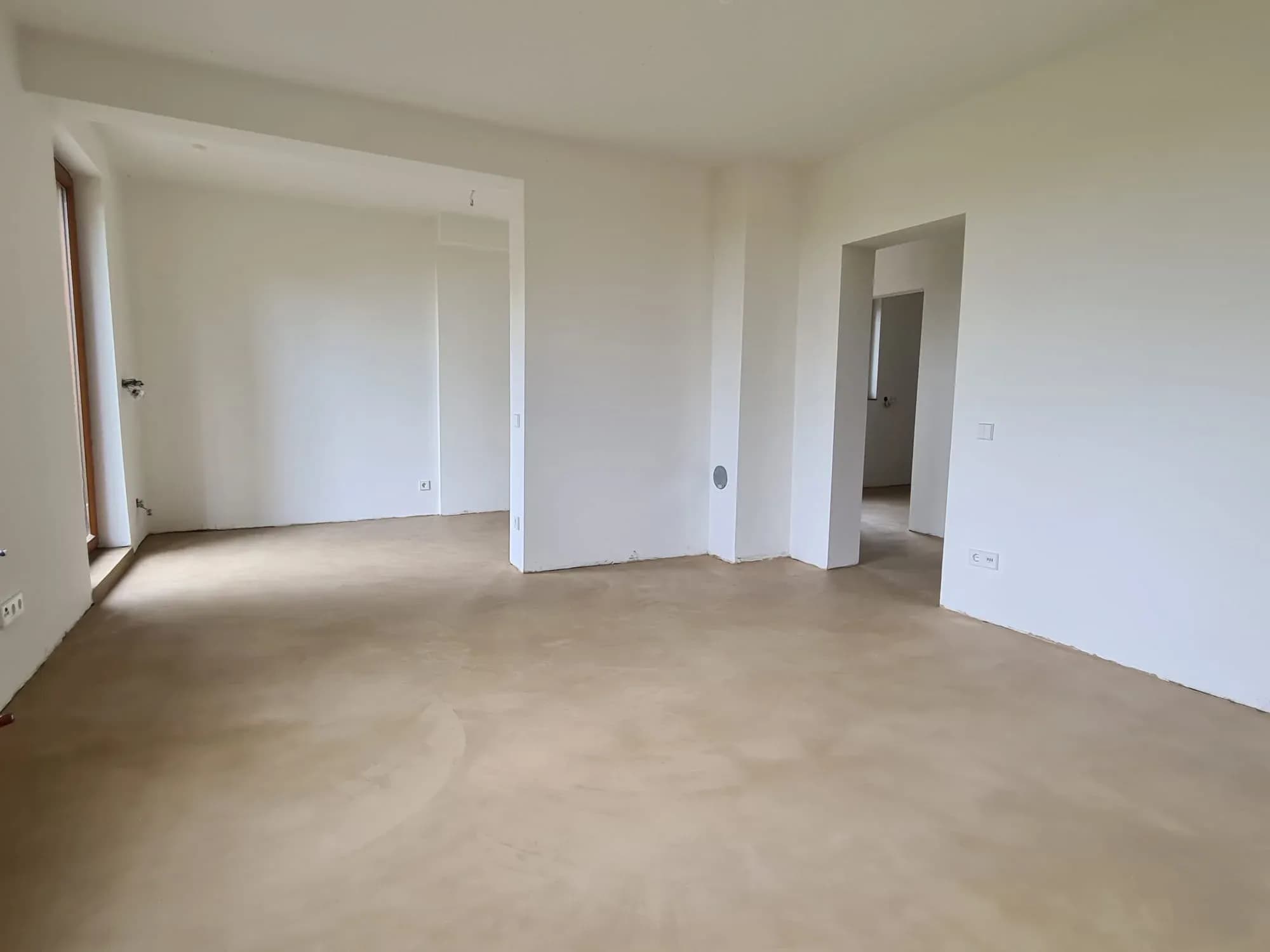
Clay floor experience by topic
Substrate, application, prices, care and general. Filter by topic or read it all.
Can I apply Claycasein without being a trained tradesperson?
Yes. You can do this. Many projects were trowelled by the owners themselves, without any craft training. What you need: motivation and calm. How it works: application guide step by step. During application we are happy to support you via WhatsApp. Through direct contact we keep improving the technique and the application guide. You will find some customer projects on Instagram under #clubclaycasein, maybe one near you to have a look at.
Which tradesperson can do it if I do not want to do it myself?
So far there are only a few professionals who offer clay casein trowel coatings. We are happy to check whether there is someone near you. Send us your town and the area via the contact form, topic "Tradesperson near me".
On which substrates has Claycasein already been applied?
Claycasein adheres to many substrates. It has already been applied on screed, concrete, wood, Fermacell dry screed, plasterboard, gypsum fibre boards, plaster, rammed earth floors, clay screed and, after priming, even on plastic veneer. Important: the substrate must be dry, load-bearing and free of cracks. When in doubt, lay a test area.
What is the best substrate?
For floors, a solid, crack-free screed. That has proven itself. If you need to level, use a stable filler or levelling compound from the builders merchant, with a reinforcement mesh if needed, so that the substrate stays crack-free permanently. Ask your builders merchant for advice. Sand screed and levelling layers before priming: that improves adhesion and takes off sintered layers.
What about cracks and expansion joints in the screed?
The substrate must be free of cracks. If you need to level, rework the surface with a stable filler or levelling compound and reinforcement mesh so that it stays crack-free permanently. Expansion joints in the floor are carried over. For the joints, use a neutral natural stone silicone, standard silicone can discolour.
Can I apply Claycasein directly on tiles?
We currently do not recommend it, even though trowelling directly on tiles has been done successfully: we have no long-term experience with it yet. Our advice: rework the tiles first with a suitable filler or levelling compound and reinforcement mesh. Your builders merchant knows which product fits.
Does Claycasein work with underfloor heating?
Yes, with standard low-temperature underfloor heating. The heating stays off during application and drying.
Does it work on a damp substrate?
No. The substrate must be firm, load-bearing and completely dry. Persistent or rising damp can lead to mould, decomposition and loss of adhesion.
Can I apply it on clay plaster or on wood?
Yes, both work. Prime clay plaster or clay design plaster generously with casein primer, let it dry, trowel directly on top. On walls you need a little more material. With a lot of pressure, use a plastic trowel, otherwise metal abrasion stays visible. Wood, door leaves and furniture you coat directly.
Does Claycasein work in the bathroom?
In the bathroom only to a limited extent, in the direct wet area not at all. Outside of it Claycasein works well, for example on the wall behind the washbasin. Do not connect it directly to the shower tray: Claycasein must not stay damp permanently. In entrance areas it works with a dirt-trapping zone. Frequent standing water leaves marks, as on a wooden floor.
How much Claycasein do I need per square metre?
For a floor you need approx. 1,000 to 1,350 g of Claycasein Base per m², that is 2 to 3 layers. On clay screed roughly 2 kg per m² depending on the surface, on walls slightly more. The exact amount depends on the substrate and the way you work, so practise on a small area first. The finished layer is about 2 to 3 mm thick. Including oil, wax, pads and accessories, material costs from 25 m² upwards come to approx. 45 to 60 € per m², plus VAT and plus shipping. All single prices are in the price list, and we work out the quantities for your project in the quote.
What does the coating cost per square metre?
About 45 to 60 € per m² including VAT, plus shipping, material including accessories such as oil, wax and polishing pads, on areas from 25 m² and 2 to 3 coats. We recommend 3 coats, the result gets better. All individual prices are in the price list from August 2026. We are happy to prepare a quote for your project. The material calculator in the application guide step by step shows what your area needs.
What is in the sample box and what does it cost?
The sample box holds everything for your first surface: Claycasein Base 3 kg, casein primer 250 g, floor hard oil 0.75 l, carnauba wax concentrate 0.5 l, floor hard wax 1 l, beige polishing pad, white polishing pad and sanding mesh K220. It costs 142.80 € plus VAT and plus shipping, once per customer. Use it to lay sample and test areas. Everything about the contents: Claycasein sample box.
Are there free surface samples?
Yes, if you send them back undamaged within 14 days. Otherwise a sample board costs 10 € plus VAT. The samples are trowelled on plywood, about 15 x 23 cm, and show the colour direction. You will not necessarily see the cloudy character of a large surface on the small board. Colour samples subject to availability, please ask. What already exists: see the colours.
How do I order and how does shipping work?
You write to us by e-mail, through the contact form or on WhatsApp. The binding quote always comes in writing by e-mail, which is why we need your full postal address. Payment is by invoice. Within Germany we charge shipping as a flat rate by weight. The sample box reaches you in 3 to 5 days, larger orders take up to 14 days. We also deliver to Austria, in Denmark you get Claycasein through our partner Havnens Haender in København, all other countries on request. All prices are plus VAT and plus shipping.
Which colours are there, is there a colour chart?
We do not have a colour chart. The colours emerge from project to project, many as our customers own creations. The base colour is clay brown, and the Base can be tinted with up to 10 % earth and mineral pigments. What has already been realised you will see on the Colours page. Depending on substrate and application the shades can deviate, so always lay a sample under on-site conditions.
Can I mix my own colour?
Only up to a point. We mix our own shades, the ones you see in the grid. A custom shade outside our palette you mix yourself: we supply lime-fast earth and mineral pigments, you add up to 10 % to the Base, and pigmented material can be blended. We are happy to tell you the pigment share of our own shades. Mixed your own? Send us photos with the pigment and the percentage.
Do I have to impregnate with oil?
Yes. On walls, wipeable surfaces have been made with the carnauba wax emulsion alone. But we recommend the build-up from our current application guide: hard oil, carnauba wax emulsion and hard wax finish. Oiling and polishing happen almost at the same time: one oils, the second picks up the excess after about 5 minutes and polishes dry. Never leave excess on the surface.
How long does drying take?
After mixing, let the material soak for 30 minutes. Let the primer and each coat dry for 8 to 24 hours, protected from sun and draughts. Then sand, then the next coat. After the hard wax finish, polish again vigorously after about 4 to 6 hours. Then go easy on the surface for 4 to 6 weeks until oils and waxes have cured. Use mixed material within about 3 hours: the casein keeps setting once water is added.
How do I care for and clean the surface?
Usually sweeping and vacuuming is enough. For maintenance, add about 2 tablespoons of carnauba wax concentrate to 5 l of mopping water. For heavier stains use olive care soap, no harsh cleaners. Wipe up spilled liquids immediately. Depending on wear, you can re-wax the floor. No plastic-coated covers, runners or carpets: plasticisers can migrate into the coating and leave discolouration.
How hard-wearing is the surface?
Comparable to an oiled wooden floor, also in sensitivity. The test value for abrasion is 0.01 g, measured on the Base material without oil and wax. Claycasein feels warm, similar to wood. The thin layer of 2 to 3 mm has no insulating effect though. On a clay masonry stove, 50 to 60 °C were measured without any negative effect.
Can I repair a damaged spot?
Yes, with the same material. Mix Claycasein a little stiffer, repair the spot, oil and wax again. Wax repair kits for wooden floors work too. If too much hard wax has dried white, warm it carefully, for example with a heat gun, and polish it out.
Is Claycasein certified or used in public buildings?
Claycasein is a natural product made from 100 % natural raw materials. You will find the test values from HAWK Hildesheim in the data sheet. There has been no project in a public building so far, so we cannot say anything about that yet.
Can I mask adjacent surfaces?
Yes, with standard painters tape. But pull the tape off immediately after each coat while the compound is fresh. When mixing, make sure no plastic abrasion from the bucket gets into the material. Dry material keeps for at least 1 year. If material smells bad or rotten, do not use it.
Can I see a finished floor somewhere?
Maybe, if there is a project near you: quite a few have been done, and we are happy to look. Write to us via the contact form with the topic "Visit a project" and your town. More on the Club Claycasein page.
What should I watch out for when oiling?
The rags. Cloths and pads soaked in hard oil can catch fire on their own. Do not ball them up and do not leave them lying around unattended. Dispose of them as your oil instructs, for example spread out to dry or in water. Also oil with good ventilation and pick up all oil that has not soaked in, otherwise you get shiny or sticky spots.
There are bubbles in my coat, what now?
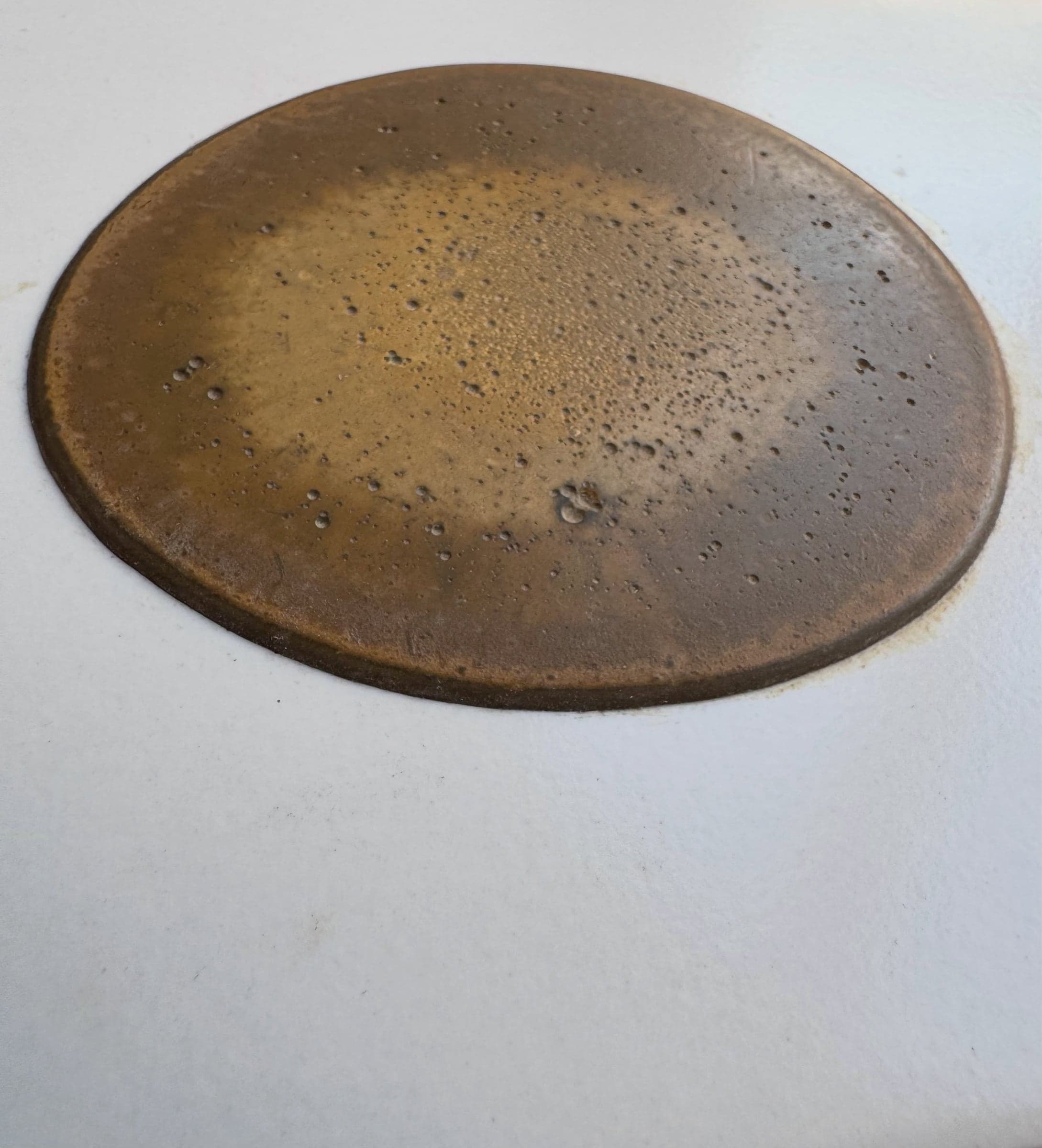
That happens depending on the substrate, coat thickness and technique, mostly in single coats. If you want a calm surface, pull the last coat thin and with a little pressure. For the next batch it helps to reduce the water slightly. You can also leave the bubbles, many people like exactly that texture.
Your question is not here?
Write to us via WhatsApp or e-mail, ideally with two photos of your project. We answer honestly.